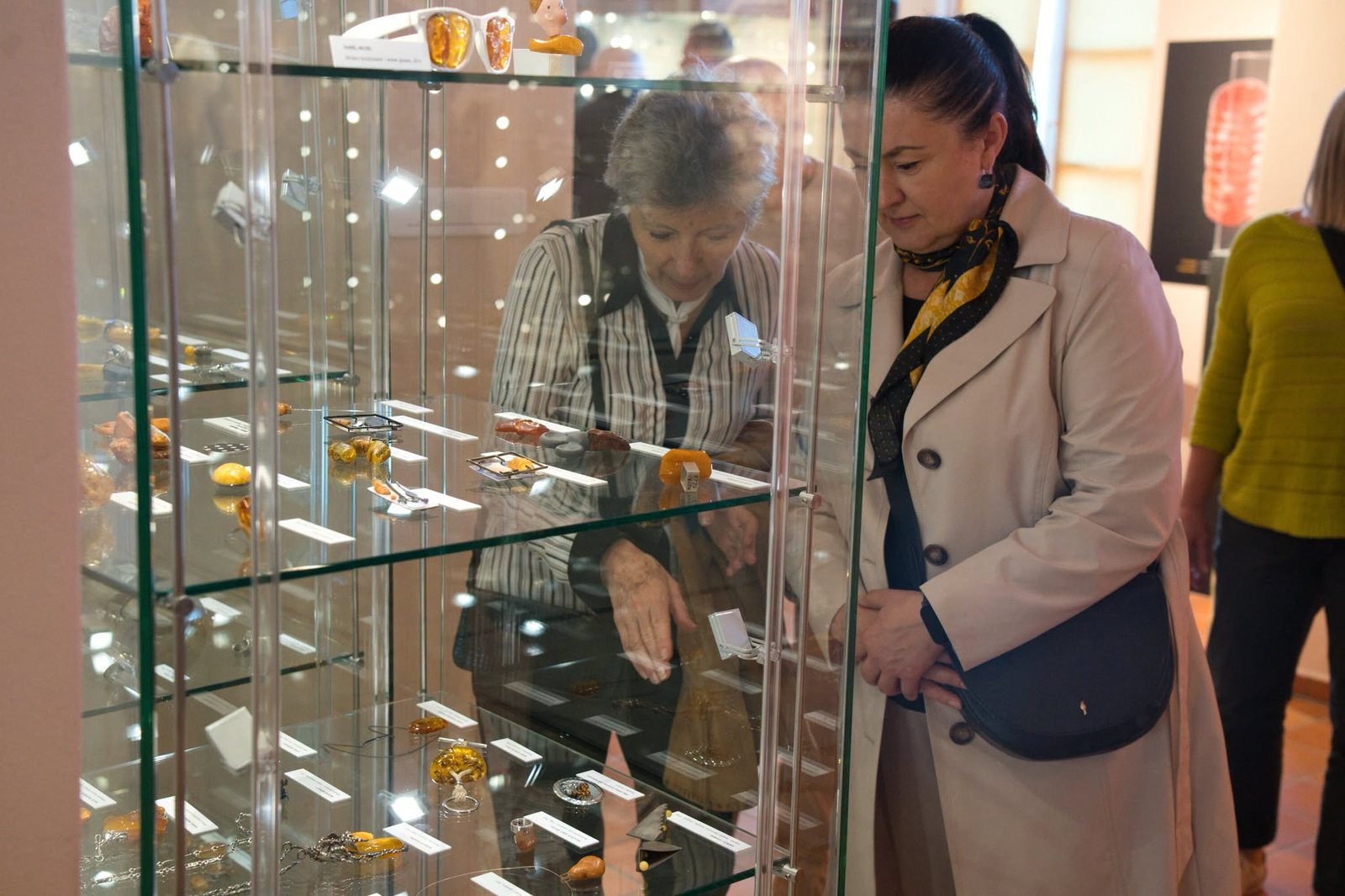
“Bursztynowe Truso – reinterpretacje” (Amber Truso – Reinterpretations) in Elbląg!
From an unfinished bead discovered in Truso to contemporary jewelry and amber art. In Elbląg you can see the exhibition “Bursztynowe Truso – reinterpretacje,” showing a remarkable dialogue between archaeology and contemporary design.
What would a dialogue between a 9th-century amber worker and a contemporary jewelry designer look like? At the Archaeological and Historical Museum in Elbląg, you can try to find the answer. The exhibition runs until January 8, 2027.
The exhibition “Bursztynowe Truso – reinterpretacje” begins with the story of one of the most important trading centers of the early Middle Ages on the southern Baltic. Truso, once located on Lake Drużno, was a place where amber beads, pendants and ornaments were made and then sent along distant trade routes. Archaeological finds show today that amber was not only a decorative material but also an important part of the economy of the former trading port.
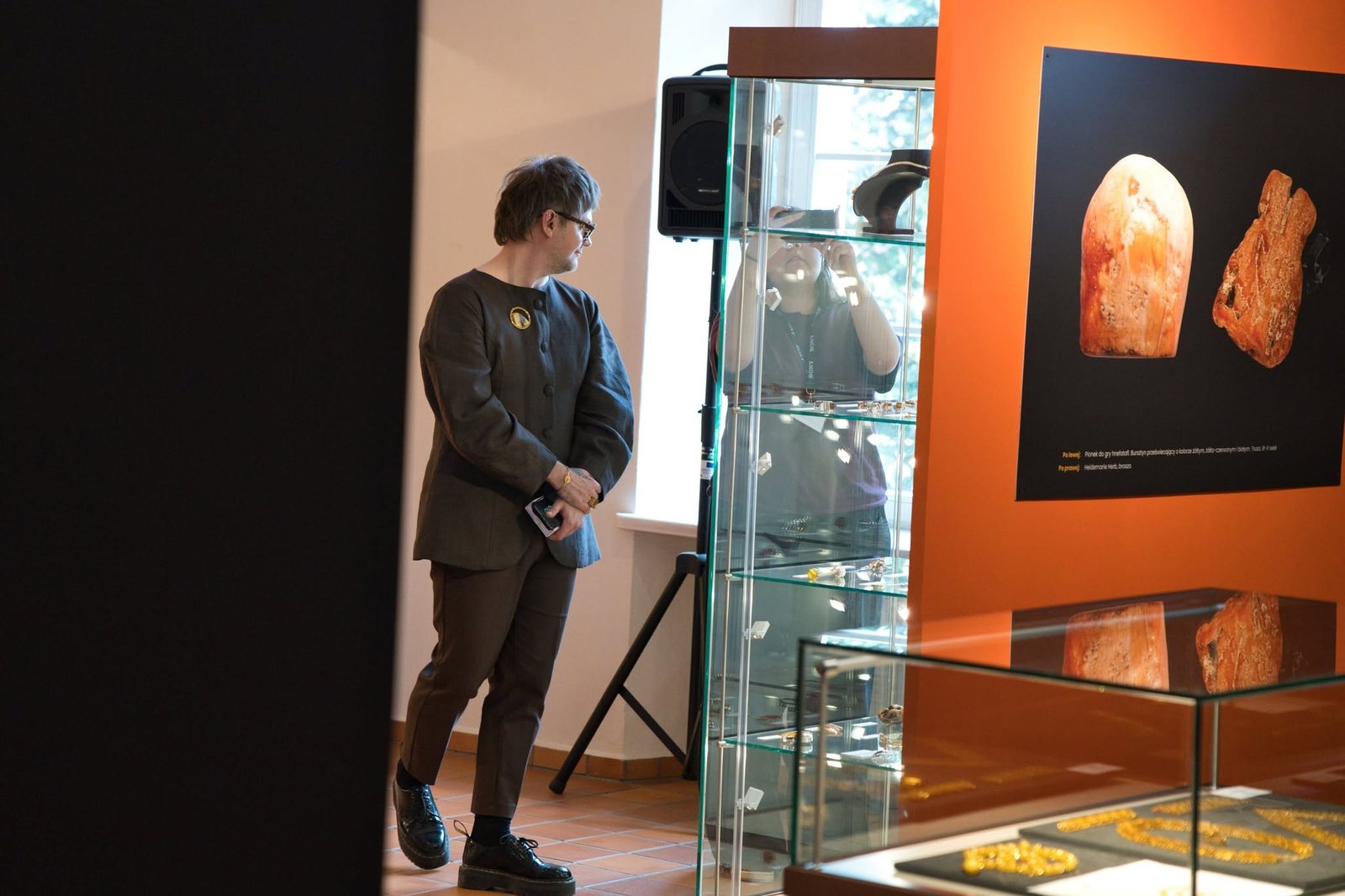
From a medieval workshop to a contemporary gallery
The most interesting thing about this display, however, is that it does not end with archaeology. The exhibition shows how contemporary artists and designers read the amber heritage of Truso anew. The main part of the display consists of works from the collection of the Amber Museum in Gdańsk, presenting the development of Polish amber art from the 1960s to the present day. The authors include Maria and Paweł Fietkiewicz, Wiesław Książek, Danuta Czapnik, Jacek Ostrowski, Dorota Cenecka, Andrzej Adamski, Marek Mikicki and Adriana Lisowska.
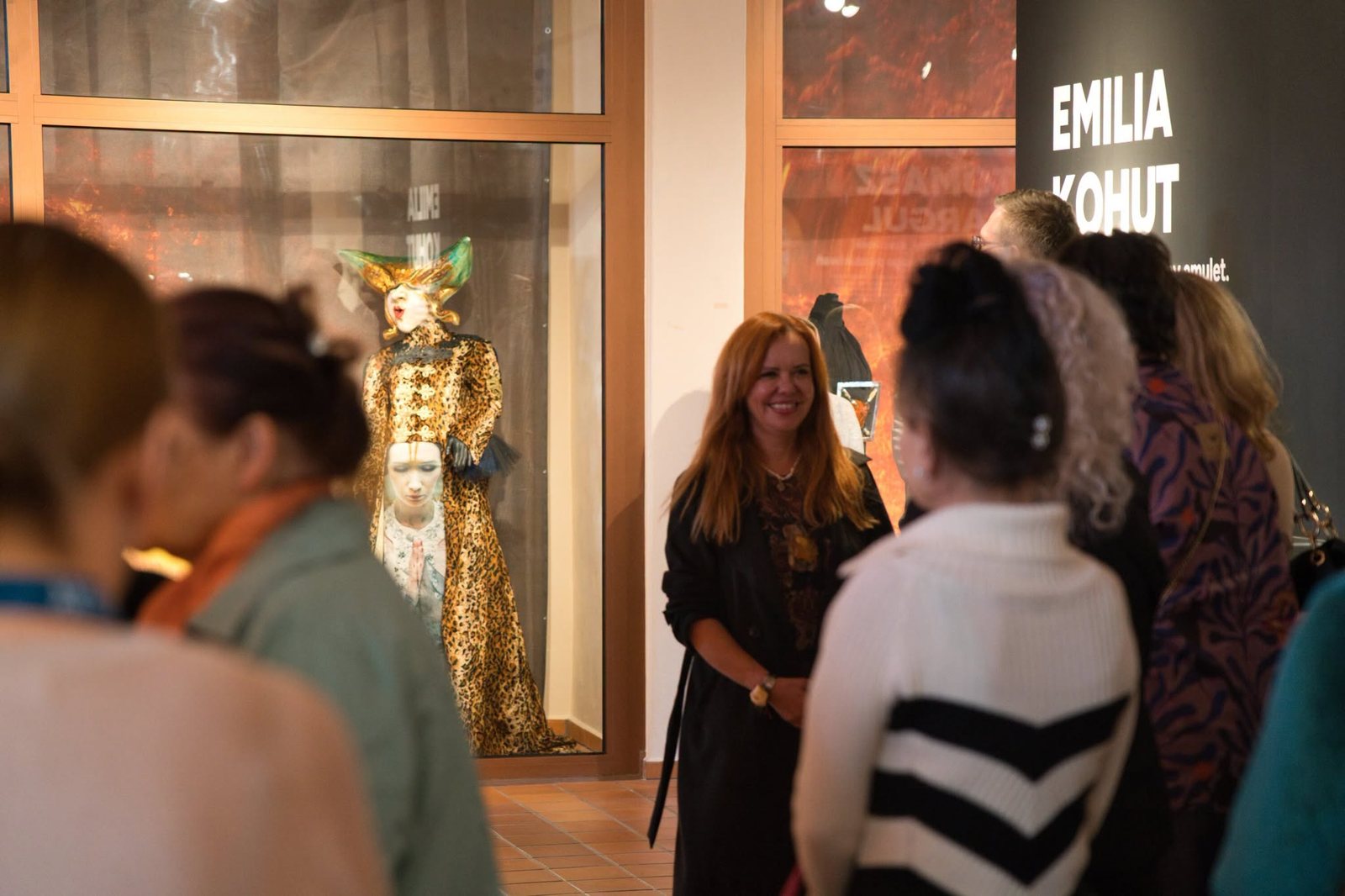
Amber still inspires
Alongside works by acknowledged masters, pieces by contemporary makers are presented, such as Daria Burkowska, Danuta Burczik-Kruczkowska, Tomasz Kargul, Emilia Kohut and Eryk Popkiewicz, an archaeologist and amber worker who reconstructs historical amber-processing techniques. The exhibition also includes pieces by foreign artists, among them Alain Roggeman, Peter Vanmandere and Fabrizio Tridenti, created during the International Amber Workshops in Gdańsk.
It is precisely such juxtapositions that best show that Baltic amber is not only a historical artifact or a jewelry material. It remains a source of inspiration for artists, designers and craftspeople from different countries and generations.
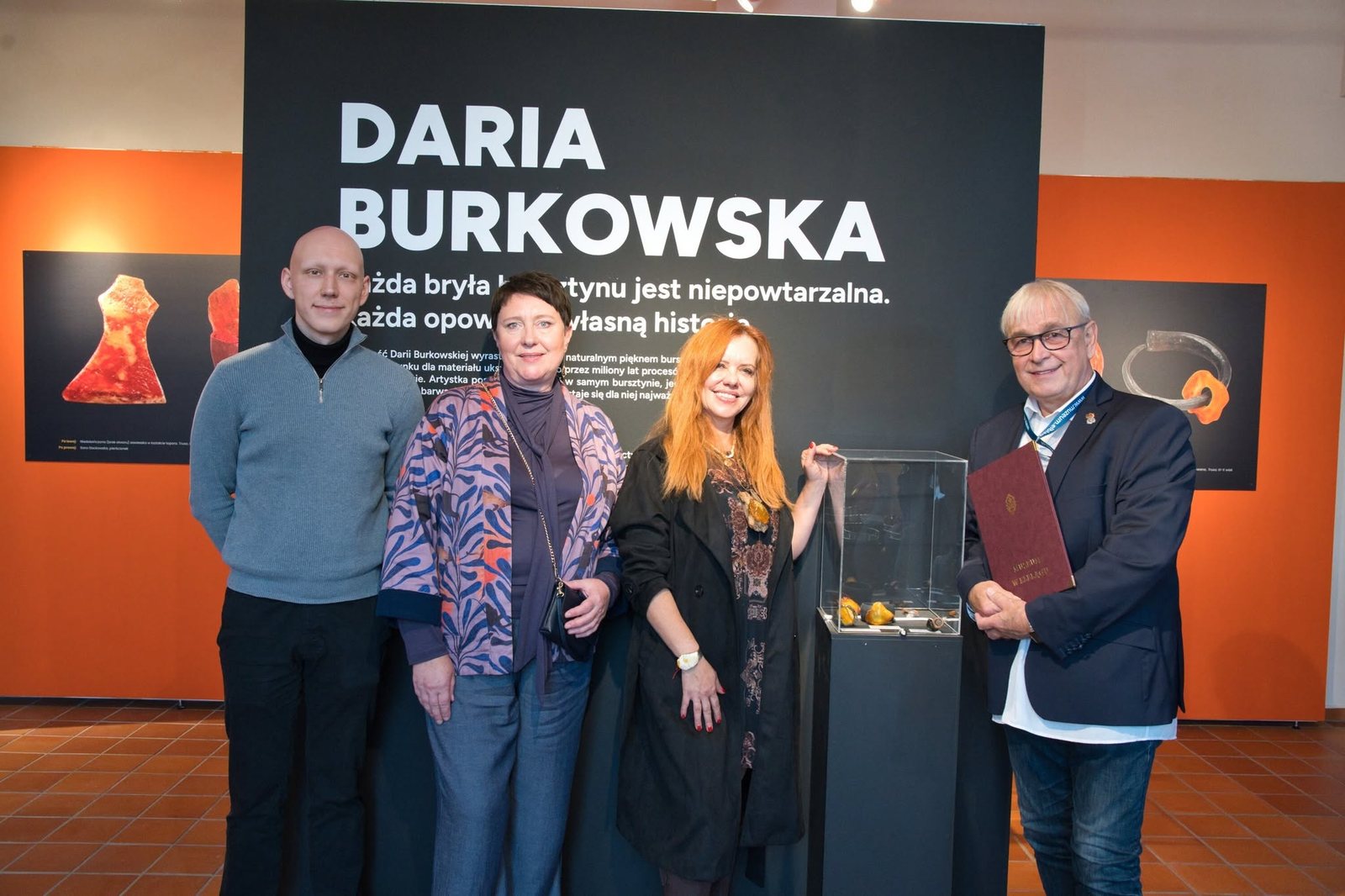
Gdańsk and amber continuity
The exhibition also recalls the present-day role of Gdańsk as the world capital of amber. This is where the AMBERIF fair takes place, and numerous artistic, educational and design initiatives develop around amber. As a result, the history of former trading ports such as Truso finds its natural continuation in the work of contemporary designers, museum professionals and amber workers.
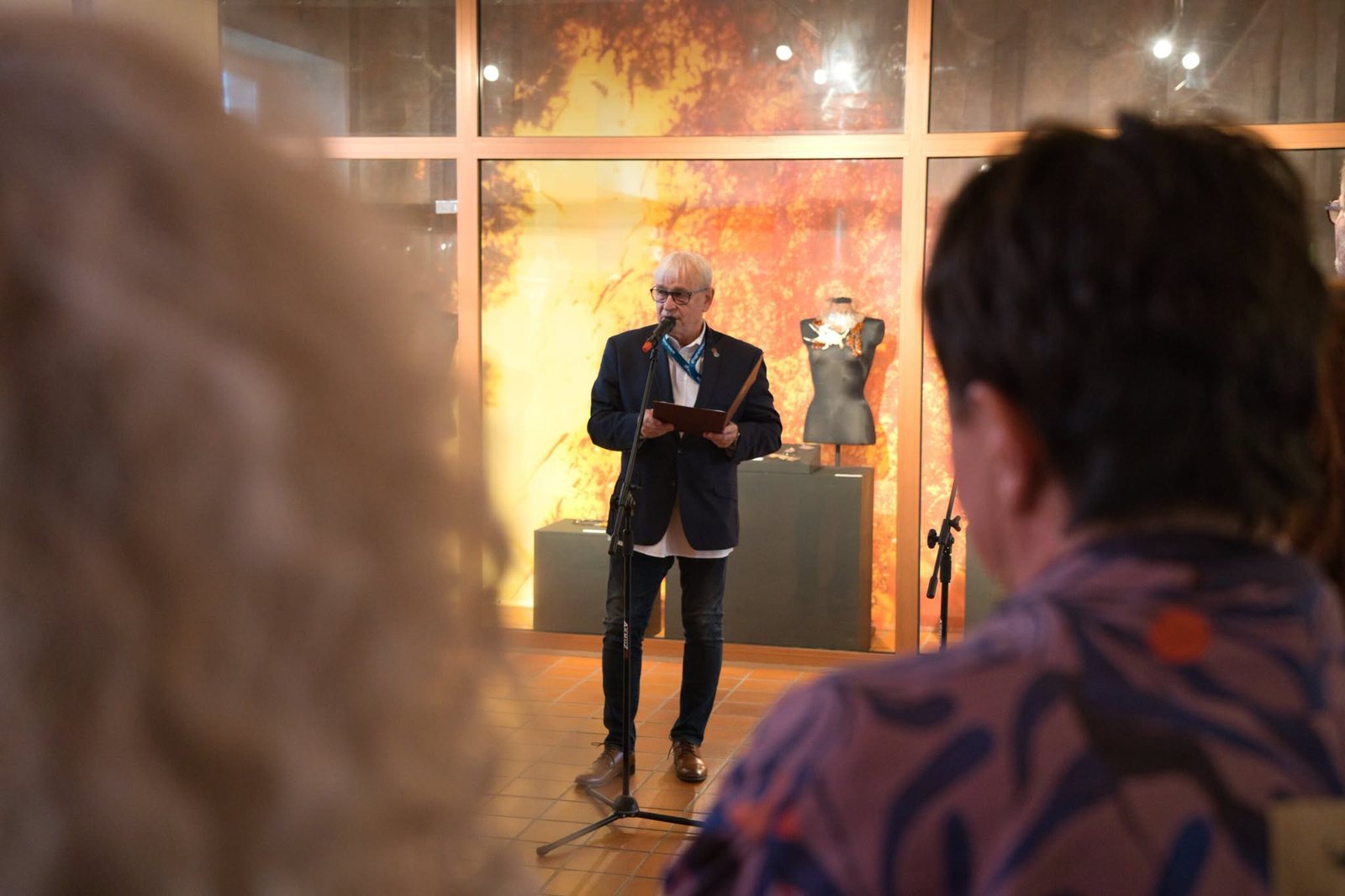
The exhibition is organized by the Association of Maritime Cities and Communes (Związek Miast i Gmin Morskich), which has been promoting Baltic amber in Poland and abroad for nearly twenty years. In that time it has prepared exhibitions at the European Solidarity Centre, the Senate of the Republic of Poland and the European Parliament, as well as in Munich, Brussels, Venice, Milan, Bremen and Hamburg. The exhibition in Elbląg is another chapter in this long-running story of amber as part of the cultural heritage of the Baltic Sea region.
Photos: Archaeological and Historical Museum in Elbląg
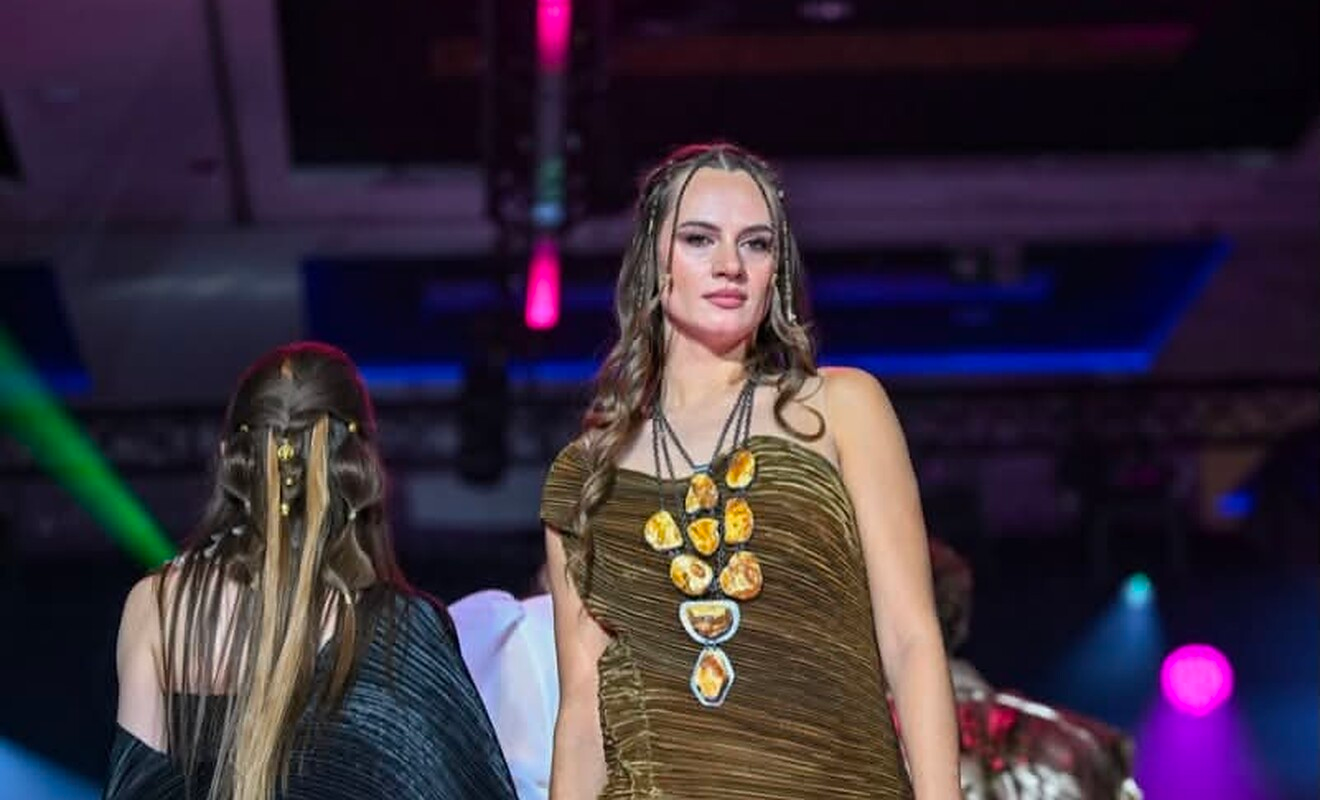
Amber and the Moirai in Zakopane
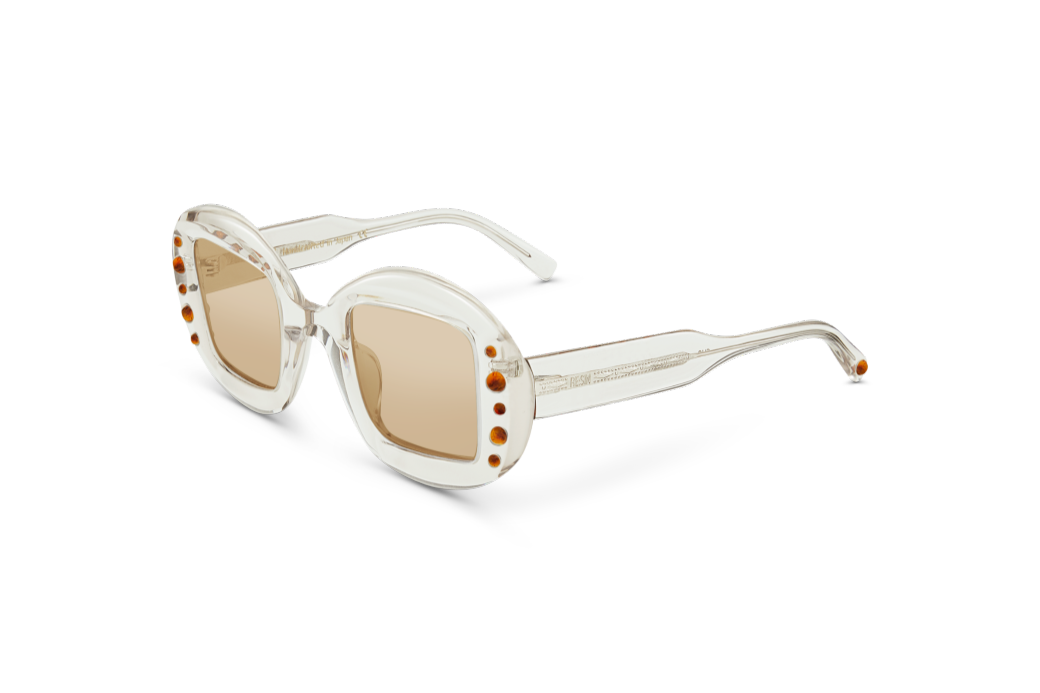
Modern Eyeglass Frames