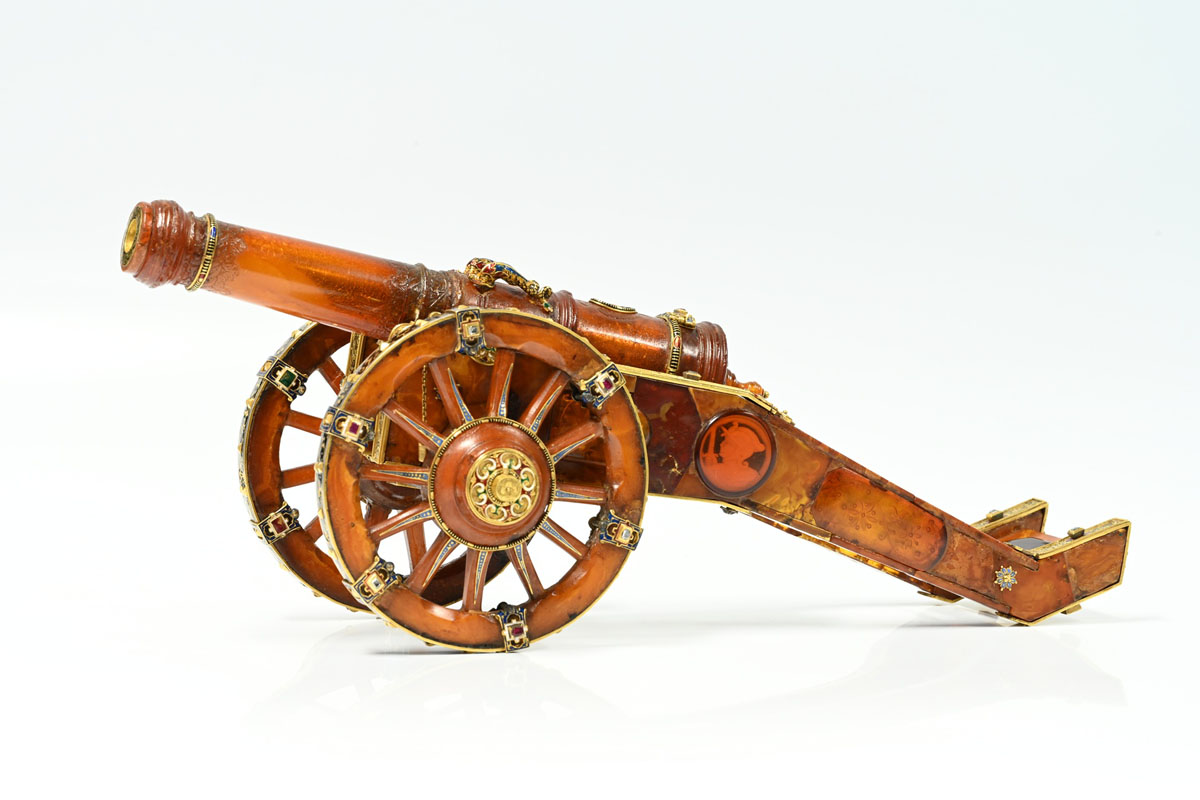
The Amber Cannon and the Rothschilds’ Jewelers at the Amber Academy
The Gdańsk Museum invites you to a special encounter with art history – a lecture titled “The Amber Cannon and the Rothschilds’ Jewelers” (May 21 this year, 5:00 p.m., Amber Museum in Gdańsk).
The story will be told by Dariusz Nowacki – curator of the goldsmith’s art collections at the Wawel Royal Castle, an outstanding researcher of historical jewelry making and a lover of Gdańsk. It is an offer for everyone who is fascinated by the craftsmanship of old crafts, the mysteries of the past and the extraordinary fates of priceless objects.
Only Two Surviving Examples
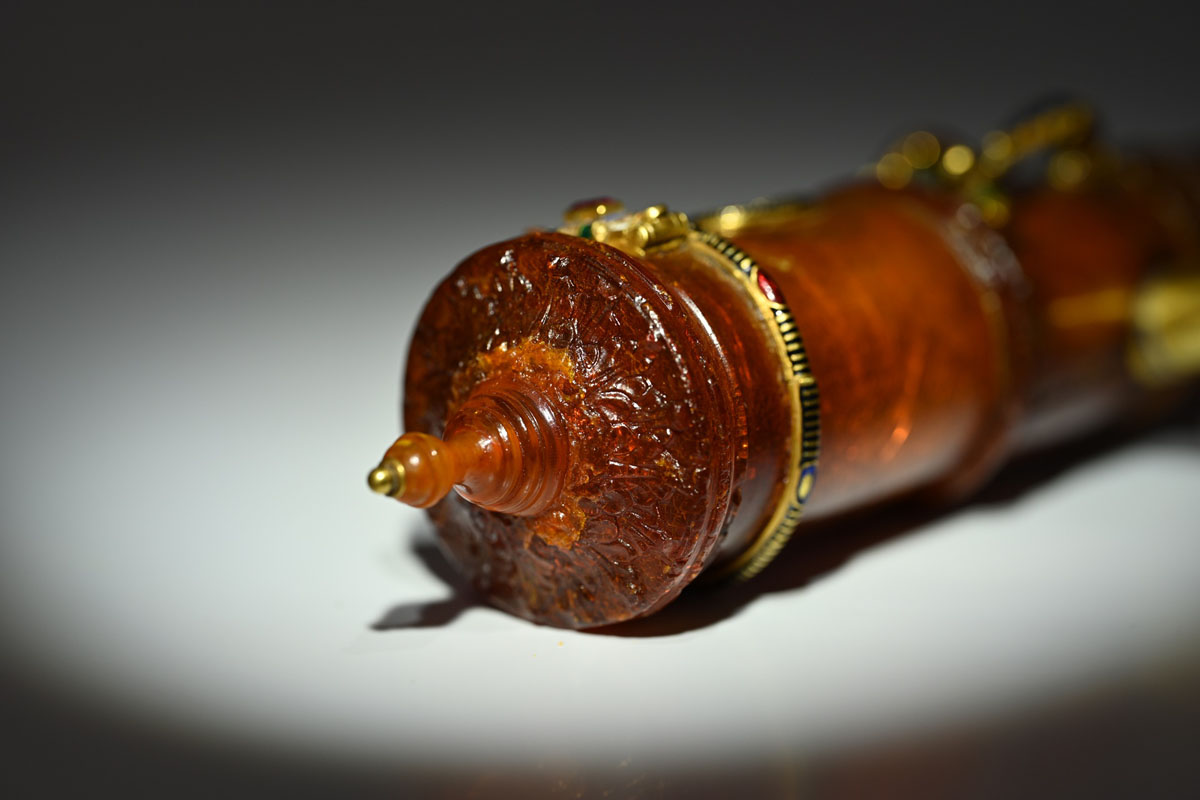
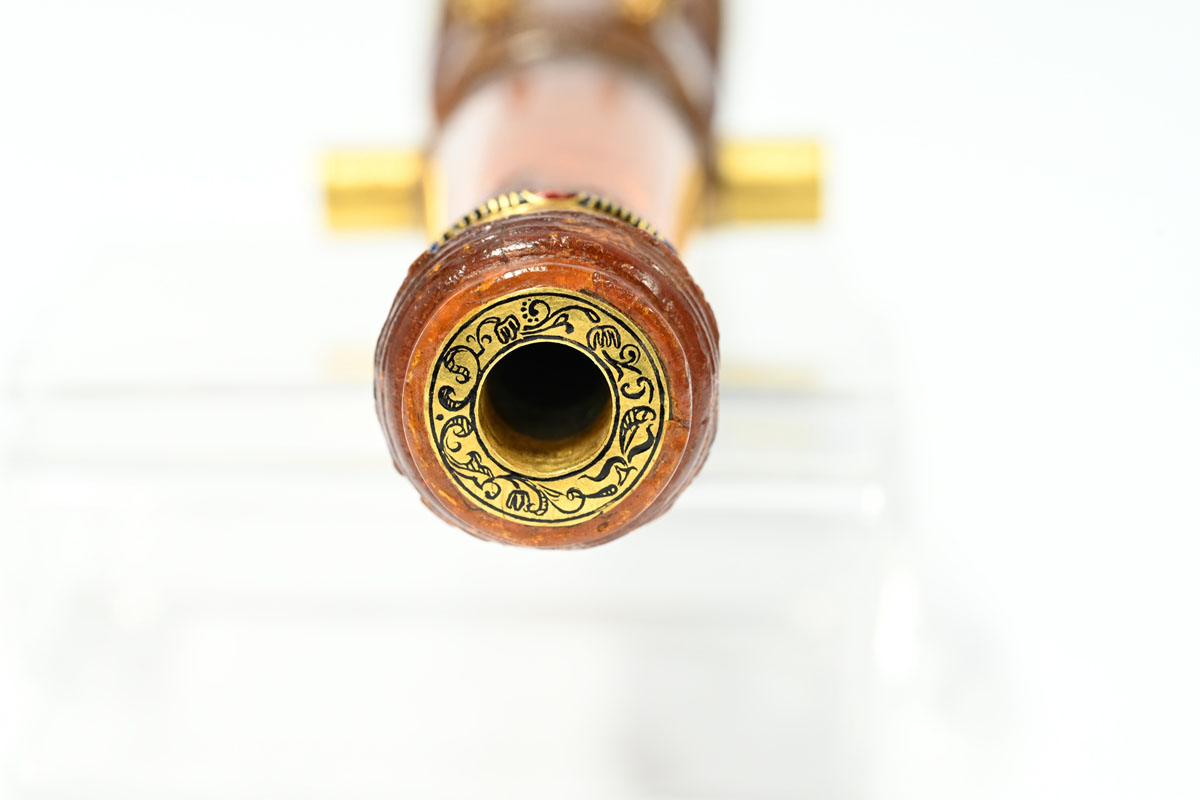
At the center of the story will be a 17th-century amber cannon – an ingenious example of the art of the old masters, combining sculptural precision with the richness of natural amber. The object was made around 1660 in Gdańsk and today is one of only two known examples of its kind in the world.
A Salute Cannon in the Homes of European Elites
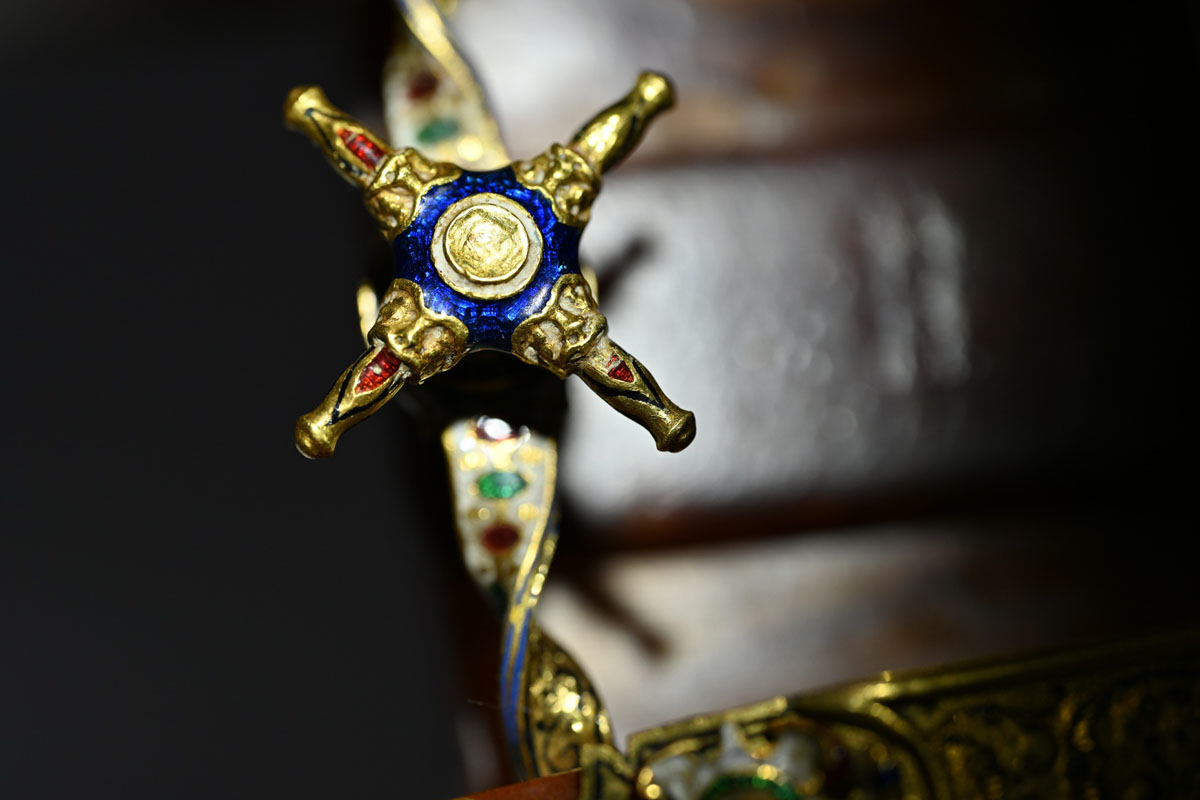
The cannon, made of amber, gold and precious stones, served as a so-called salute cannon – it was used during festive events in the homes of European elites. The object arrived in Gdańsk in April 2025. After authenticity tests and analyses by external experts, the Museum began the process of obtaining external funding. The purchase was finalized at the end of December 2025. The cannon is on display in the permanent exhibition at the Amber Museum – the showpiece of the World Amber Capital.
A Historic Object of Exceptional Value
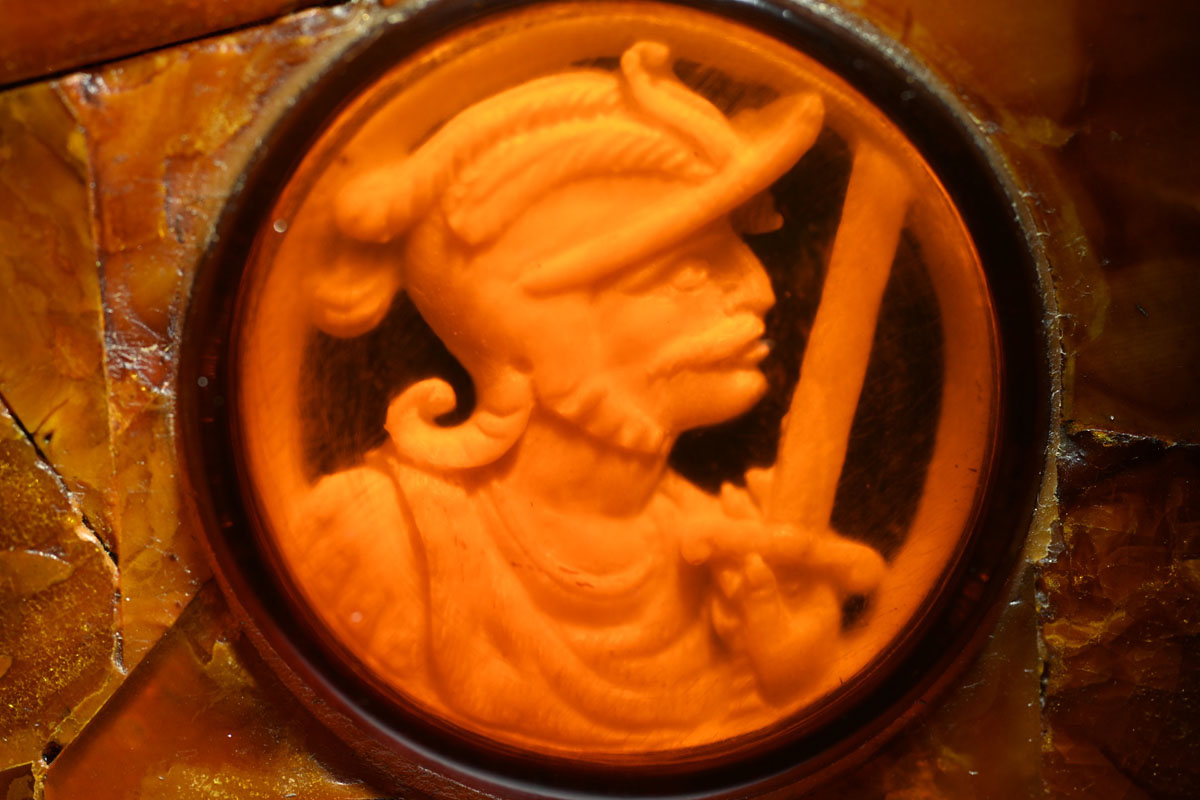
The amber cannon is an extremely rare example of the artistic craftsmanship of the early modern era, which after centuries has returned to the city of its origin. The preserved details, the construction and comparisons with the only signed example by Schödelook, currently held in the Westpreußisches Landesmuseum in Warendorf, make the Gdańsk object a historic piece of exceptional historical and scholarly value. Purchased thanks to the Museum’s own funds and external grants.
An Investment in the Cultural Heritage of Pomerania and Gdańsk
The purchase of the cannon is in line with the mission of the Gdańsk Museum and the World Amber Capital project. “Acquiring historic objects is not a luxury but the foundation of our museum’s work. One of its basic tasks is to collect unique objects that allow us to better understand the history of the city and the development of amber working over the centuries,” explained Waldemar Ossowski, director of the Gdańsk Museum. The cannon is part of Gdańsk’s heritage – its craft, traditions and identity – and at the same time fits into a long-term strategy of building the city’s brand as the World Amber Capital.
Support from the Ministry, the Airport and the Totalizator Sportowy Foundation
The purchase was possible thanks to the Museum’s own funds, generated in 2024 as a result of record attendance – its branches were then visited by more than 630 thousand people. In 2025 the number of visits exceeded 660 thousand. A key role was played by a grant of nearly PLN 500 thousand, awarded at the turn of September and October 2025 under the “Rozbudowa zbiorów muzealnych 2025” program, financed from funds of the Minister of Culture and National Heritage. Gdańsk Lech Wałęsa Airport contributed PLN 200 thousand, and support was also provided by the Totalizator Sportowy Foundation. The original offer from the Paris-based Galerie Kugel, which specializes in antique art, was €950 thousand, but the purchase was ultimately finalized for €650 thousand.
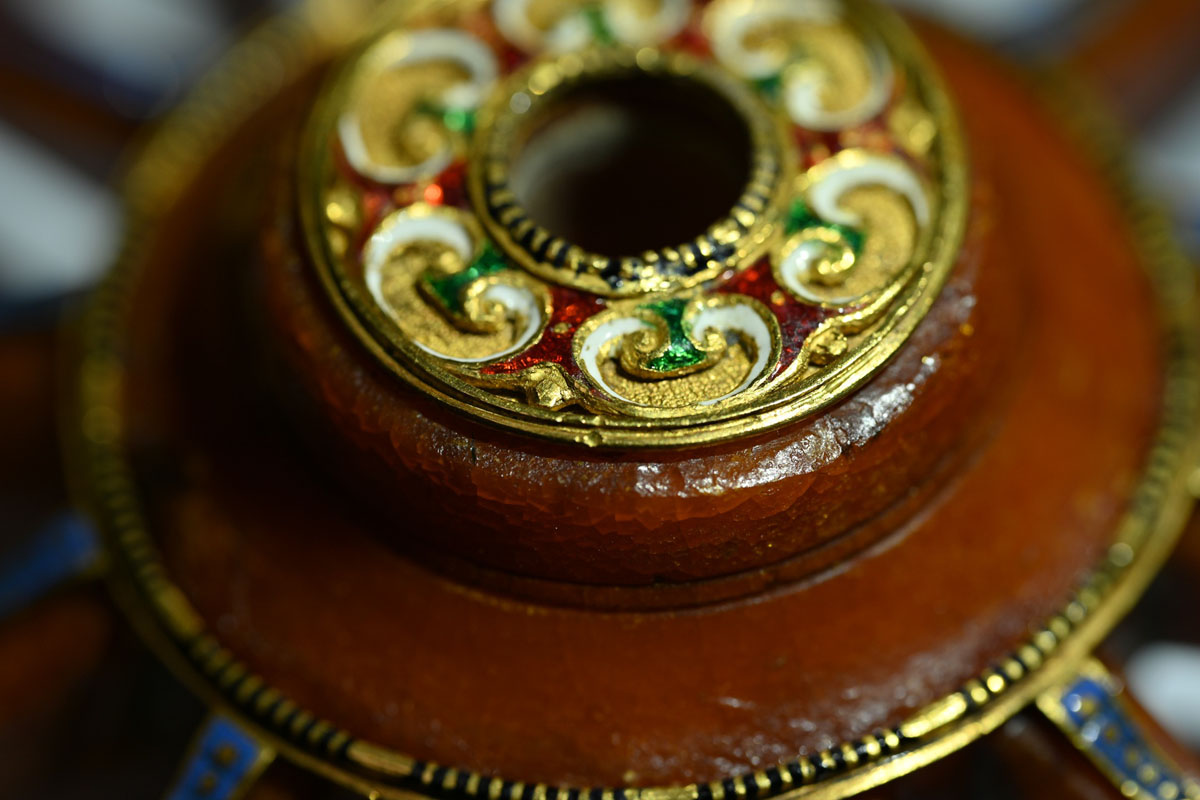
The Amber Cannon. The History of an Extraordinary Object
Practical information:
- When? May 21 (Thursday), 5:00 p.m.
- Where? Educational room of the Amber Museum, 16 Wielkie Młyny Street
- Admission: free
Photo: Gdańsk Museum press materials / B. Kentzer

Amber and the Moirai in Zakopane
Modern Eyeglass Frames