Will the Great Mill Power the Amber Museum? Gdańsk Bets on Smart Energy Management
The City of Gdańsk, together with the Museum of Gdańsk, is starting a search for companies and research teams interested in developing a modern energy management system for the historic “Wielki Młyn” (Great Mill) small hydropower plant.
Market consultations
The National Centre for Research and Development (NCBR) has just announced preliminary market consultations ahead of launching a research and development project in which the city acts as consortium leader. Gdańsk wants to make use of the potential of the existing infrastructure while better matching energy production to the needs of the building, combining modern technologies with an educational function by showing visitors how energy is generated from a renewable source.
Energy for the museum
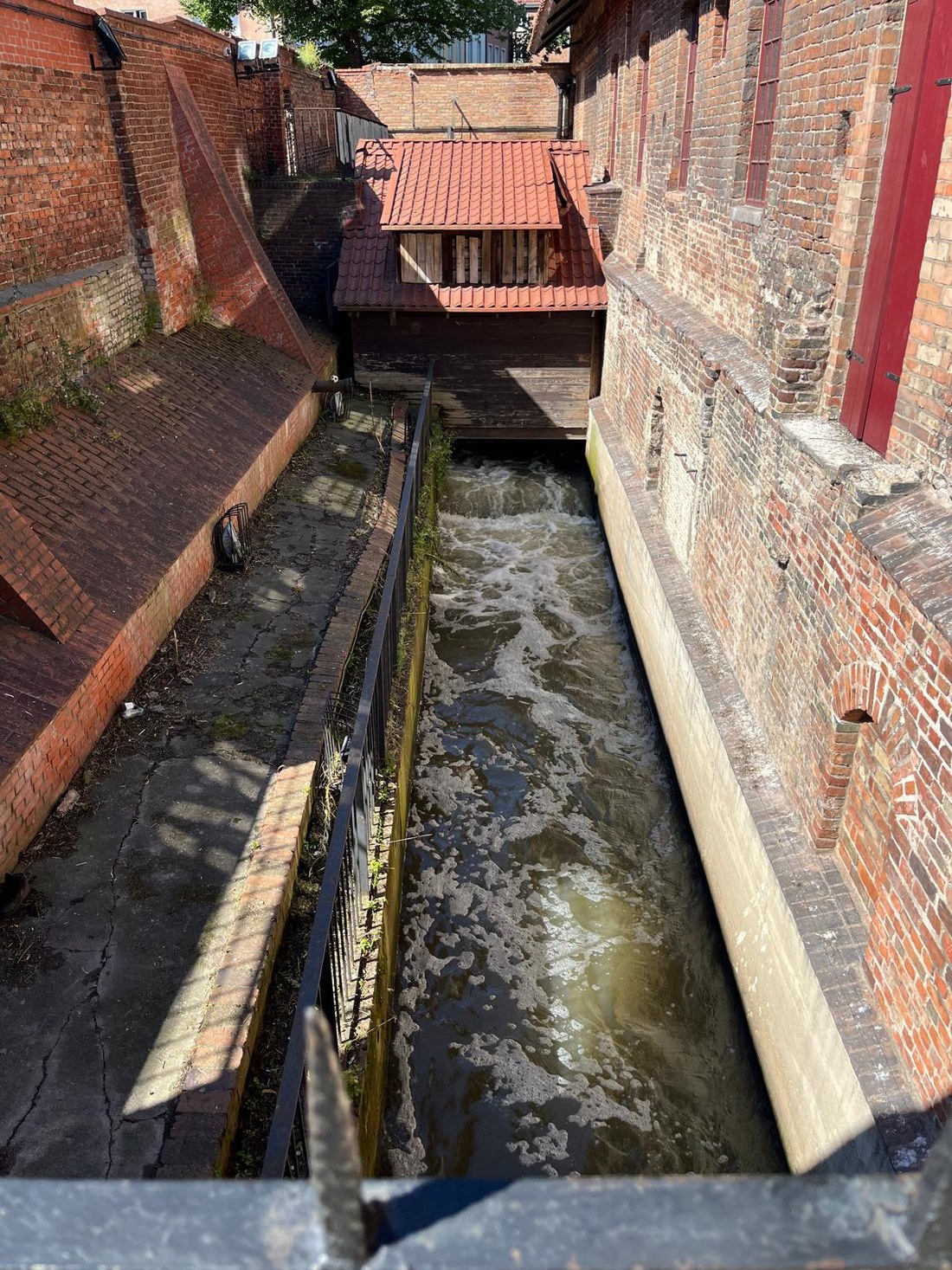
The “Wielki Młyn” small hydropower plant, located next to the Amber Museum, uses the flow of water in the Radunia Canal to produce electricity, and that output is hard to predict: it depends on the operation of the Pruszcz power plant, on rainfall and on the functioning of the city drainage system. An additional constraint is the conservation requirements for the historic building.
The search for new solutions
The city is looking for a solution that will make it possible to forecast the amount of available energy and to control the water turbine and the weir gate so that production matches the current demand of the Amber Museum as closely as possible. The system is also meant to serve an educational purpose: visitors will be able to follow the process of generating energy from a renewable source in real time.
The solutions sought are to combine monitoring of hydrological and meteorological conditions, forecasting of energy availability, adaptive control of the water turbine and weir gate, real-time balancing of energy production against the building’s demand, and an interactive educational interface for visitors.
Concept, design, prototype, demonstrator
The project will be carried out as pre-commercial procurement (PCP), a model in which several contractors conduct research and development on their own solutions in parallel, and only the best move on to the subsequent, increasingly advanced stages (concept → design → prototype → demonstrator). The stages are to last about 26 months in total: 6 months to develop the concept, 12 months for design and building of prototypes, and 8 months to develop the commercial version and launch the demonstrator at the Great Mill.
Project teams, research institutes and universities are invited
Before announcing the actual competition, NCBR wants to hear the market’s opinion, so it invites project teams, research institutes, universities, suppliers of hydrotechnical equipment and other interested parties to take part in the consultations. The condition for participation is experience in the full design, production and installation cycle of at least one small hydropower plant with a capacity of no less than 50 kW.
Applications, in the form of a request and a completed questionnaire, should be sent by 4:00 p.m. on September 14, 2026, to izp@ncbr.gov.pl. NCBR has been conducting the consultations on a continuous basis since August 21, 2026. Detailed information on the pre-commercial procurement format is available at Innowacyjne zamówienia publiczne - Narodowe Centrum Badań i Rozwoju - Portal Gov.pl.
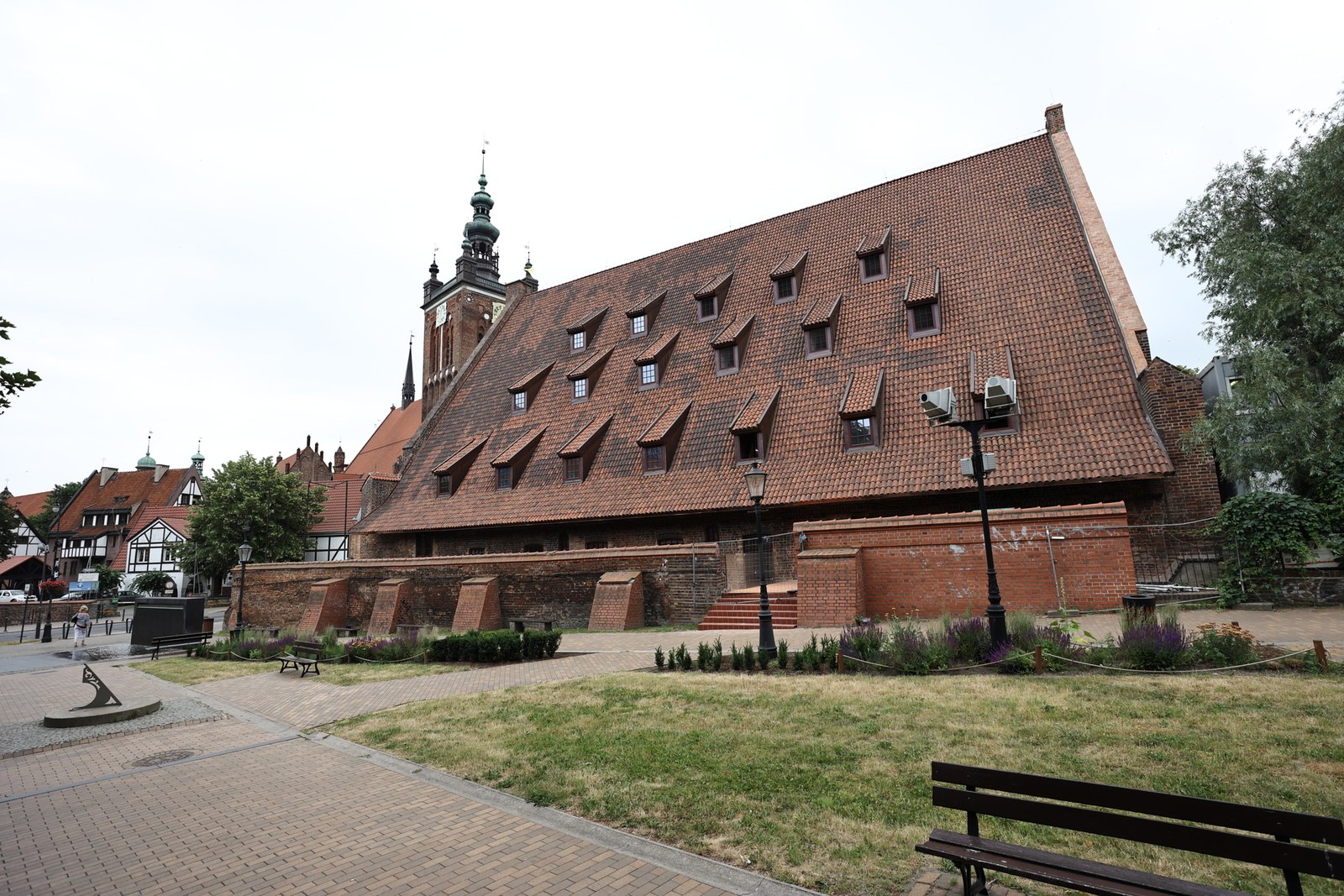
Photo: Wielki Młyn, photo by Grzegorz Mehring, gdansk.pl

Amber and the Moirai in Zakopane

Modern Eyeglass Frames