The Taste of Amber
The Taste of Amber – Culinary Inspiration from the Baltic
Amber – the gold of the North, the symbol of Gdańsk, a gem made of resin – has fired the imagination of artists and jewelers for centuries. But can it also inspire… chefs? More and more often, the answer is yes. Although we do not literally eat amber, its color, glow and history become the starting point for surprising culinary ideas. Tradition meets modernity here – on the plate, in the glass and in dessert.

deep color resembling natural amber
A Color You Can Taste
Amber-inspired cuisine is above all a play with aesthetics – the colors of the dishes refer to the warm shades of amber: honey, gold, caramel. Chefs readily reach for ingredients in these tones: pumpkin, sweet potatoes, apricots, oranges, caramel, honey, as well as amber beer or long-aged cheeses. Many of these dishes look like an edible gem – this is cuisine that not only feeds but also delights.
Tradition Anew
Amber inspirations are rooted in the regional cuisine of Pomerania. Already in the old inns, fish was served in sweet-and-sour sauces, along with mead and sea buckthorn preserves – ingredients close to amber in color and symbolism. In modern interpretations these flavors return, but in a completely new form: for example, as smoked eel tartare with baked apple and horseradish mousse, or duck glazed in honey with burnt orange.
Amber on the Sweet Side
Amber-inspired desserts are a category of culinary art in their own right. Restaurants in Gdańsk, Sopot and Gdynia increasingly offer “amber” ice cream, cherry plum and quince sorbets, or tarts with sea buckthorn and honey cream. In fashionable cafés you can also order striking jellies made from natural juices, resembling transparent, shimmering lumps – like amber found on the beach.
There is also no shortage of chocolates with amber powder – that is, finely powdered, purified amber, which has no taste but is a fashionable addition on the border between food and jewelry. Treated as an “accent of luxury”, it appears alongside pralines and premium liqueurs.

Photo: Blog Czekolady
Amber in a Glass
The world of spirits is also full of amber references. Colorful tinctures made from quince, cherry plum, rowan or caramelized honey not only evoke the amber hue but also fit perfectly into the mood of seaside evenings. Some distilleries also offer an “amber vodka” – kept in bottles with a speck of real amber, which is meant to symbolically “infuse” the drink with its energy.
In modern bars we will also find amber-inspired cocktails: for example, based on rum, burnt orange, vanilla and buckwheat honey syrup – served in amber light, often with a decorative caramel “pebble” on the rim of the glass.

produced from Polish amber and Polish spirit
The Culinary Pride of Gdańsk
Gdańsk – the World Amber Capital – is using amber symbolism ever more boldly in gastronomy as well. Local restaurants, pastry shops and producers of artisanal delicacies create limited collections inspired by this legendary material. It is a culinary calling card of the city that works on tourists like a magnet.
The amber menu is not only a feast for the senses – it is also a beautiful way to tell the story of a place that combines nature, tradition and modern creativity. Because in Gdańsk, amber does not only adorn, it also… tastes good.
buttermilk and golden Goldwasser liqueur come together in an unforgettable dance of flavors
A recipe for an exceptionally creamy, deeply cheesy soup – ideal for colder days – from the chef of the BursztyNova restaurant – inspired by the taste, tradition and history of Polish long-aged cheeses
Ingredients:
* 500 ml vegetable or chicken stock
* 75 g Bursztyn cheese (aged at least 6 months)
* 75 g Szafir cheese (aged about 4 months)
* 75 g Rubin cheese (aged about 3 months)
* 75 g blue cheese (e.g. Lazur Niebieski)
* 2 medium onions
* 500 g potatoes
* 3 large cloves of garlic
* 1 tablespoon clarified butter or olive oil
* about 50 ml dry white wine
* 500 ml 30% cream
* a pinch of pepper
* a pinch of thyme
* a little freshly grated nutmeg
* a handful of fresh chives (for serving)
Preparation:
1. Peel the potatoes, onions and garlic and cut them into a coarser dice. Sauté everything in clarified butter or olive oil until lightly browned.
2. Pour in the white wine and wait until some of it evaporates. Then add the stock and cook until the potatoes are soft (about 15–20 minutes).
3. When the vegetables are soft, pour in the cream and bring everything to a boil over low heat.
4. Blend the soup with a blender into a smooth, velvety cream.
5. Gradually add the sliced cheeses, stirring constantly, until they melt and combine thoroughly with the cream.
6. Season to taste with salt, pepper, thyme and freshly grated nutmeg.
Serving:
Serve the soup hot, garnished with chopped chives. It goes wonderfully with baked potatoes, toasted walnuts and grapes, which add a pleasant flavor counterpoint.

Amber and the Moirai in Zakopane
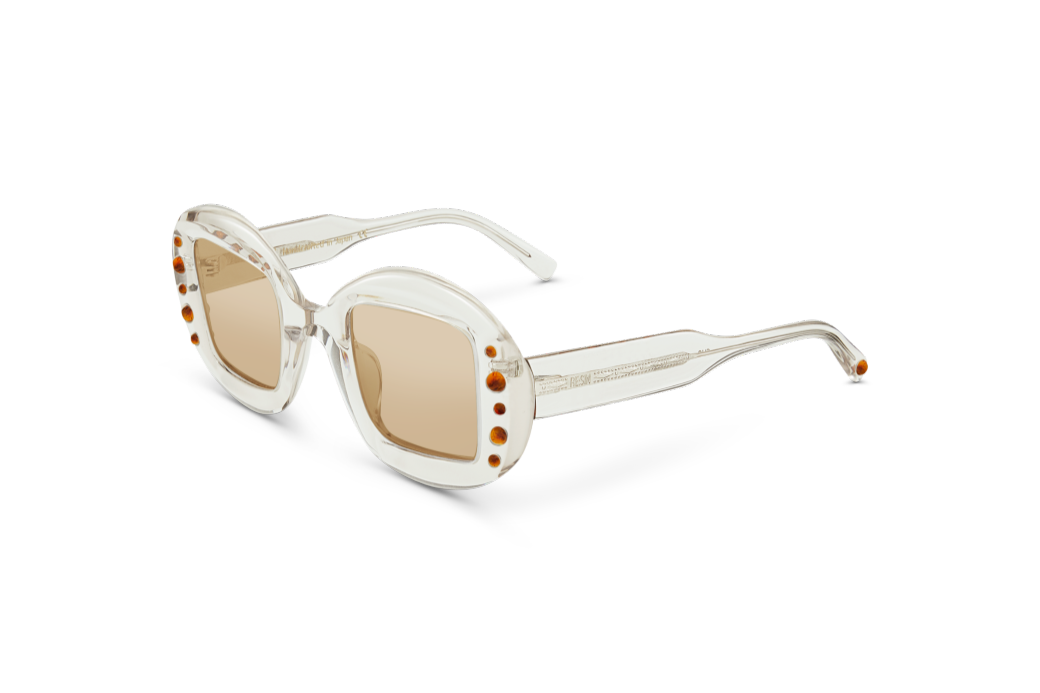
Modern Eyeglass Frames