Why Visit the Amber Museum?
Why Visit the Amber Museum in Gdańsk?
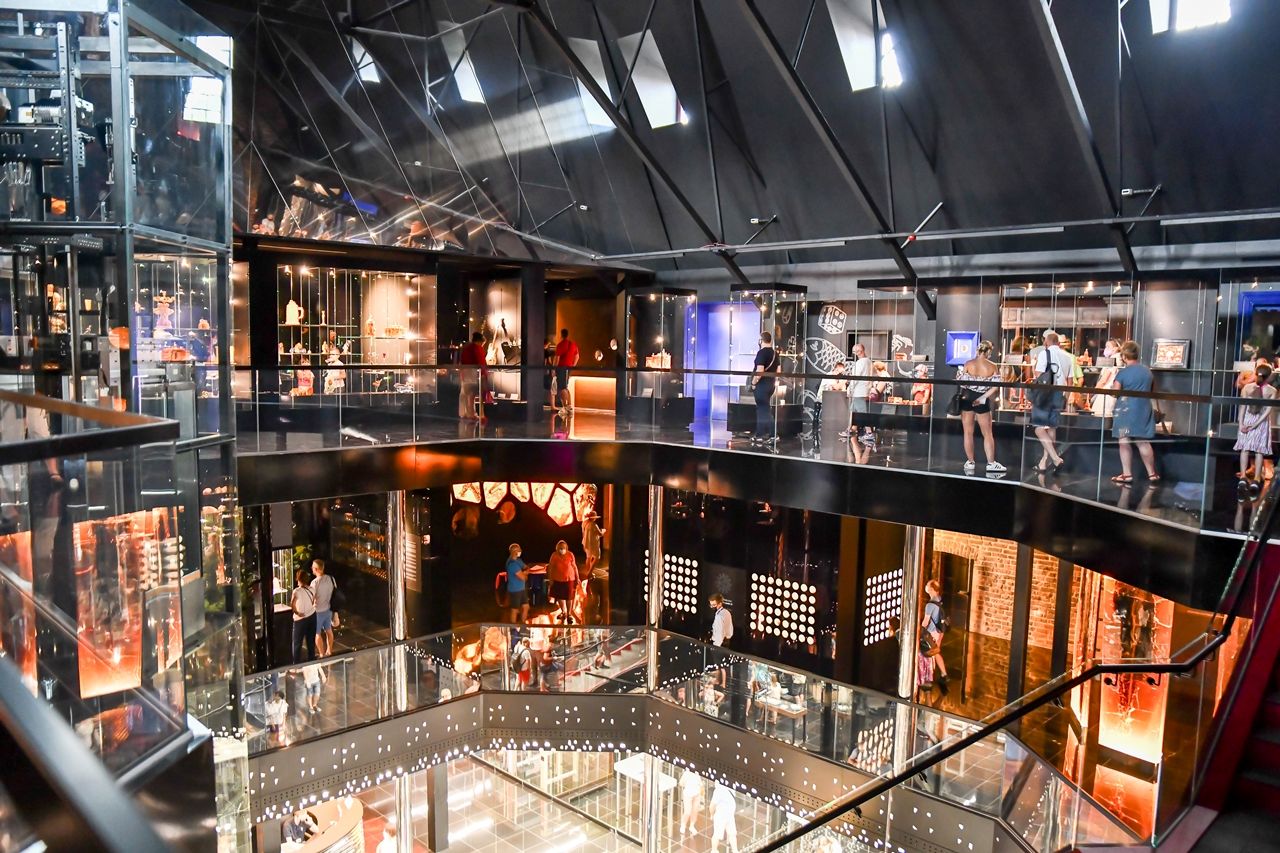
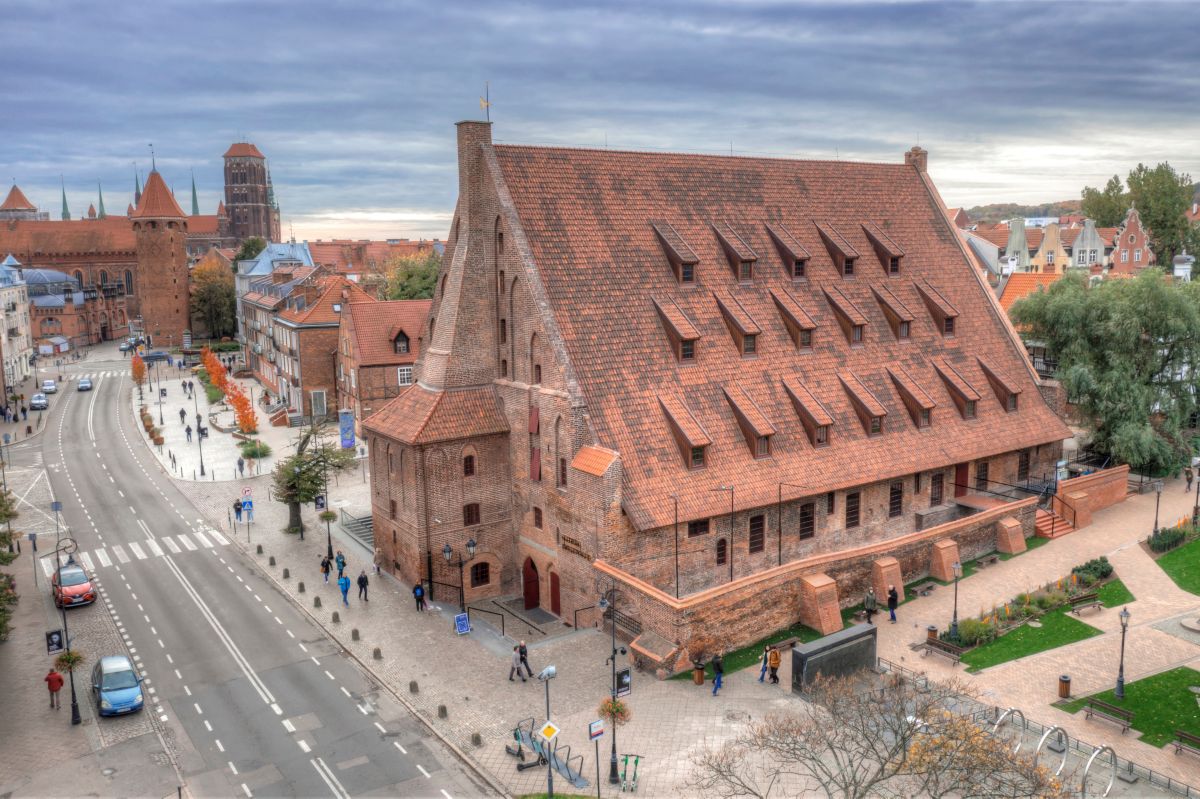
Gdańsk is the World Amber Capital – and its heart is undoubtedly the modern Amber Museum, housed in the monumental Great Mill. It is a place where history, nature, craft and art meet in an exceptionally attractive and modern form. A visit to the museum is not only an educational journey through the centuries but also a true feast for the senses. Why is it worth stopping by?
Fascinating Collections – From Inclusions to Works of Art
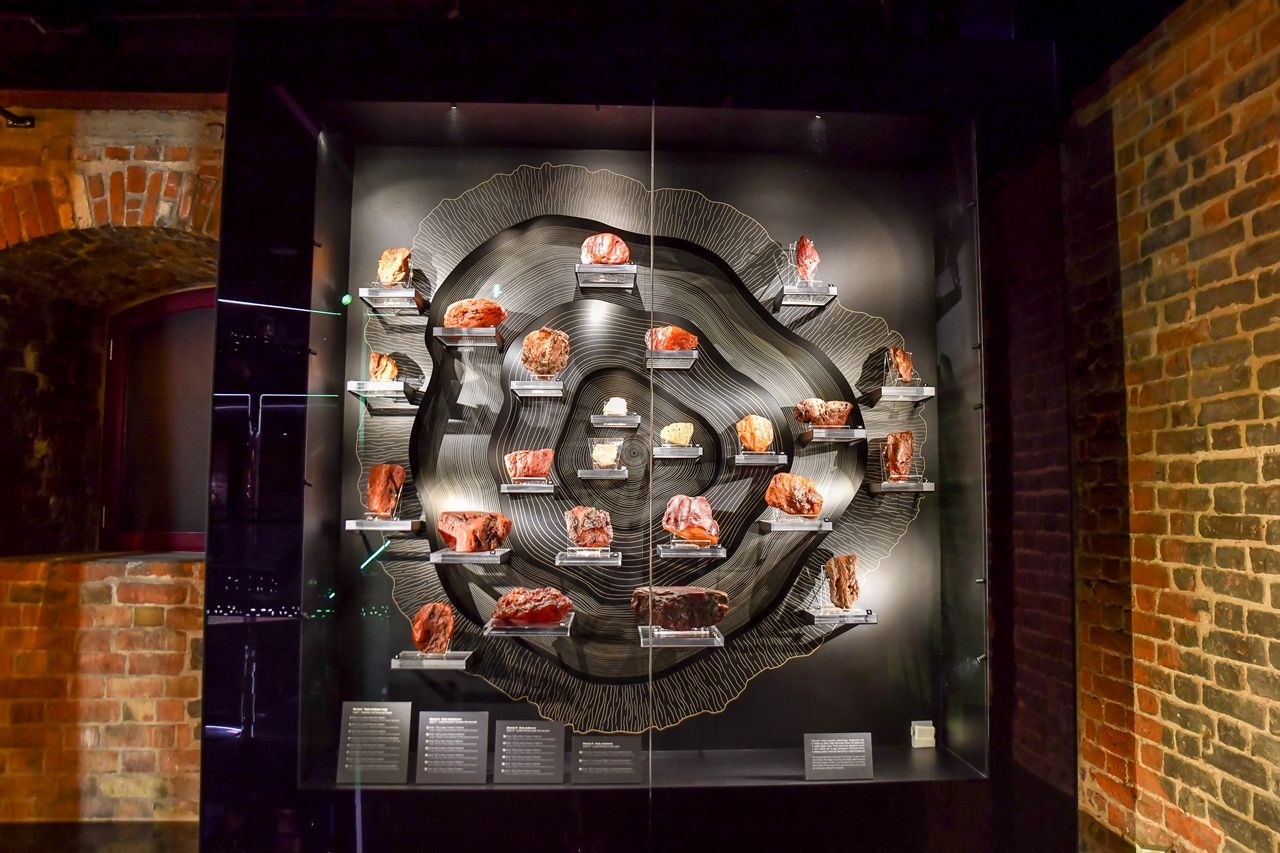
The Amber Museum in Gdańsk boasts one of the richest and most interesting amber collections in the world. Here we will see impressive pieces of natural amber, including one of the largest ever found in the world – weighing over 68 kg and entered in the Guinness Book of Records! There are also exceptional inclusions – fragments of plants and insects from more than 40 million million years ago enclosed in amber. Inclusions are not only natural history exhibits – they are time capsules that fascinate scientists and delight visitors.
Amber as an Artistic and Jewelry Material
The Amber Museum boasts a rich collection of works that celebrate the skill of Gdańsk amber masters. Particular emphasis in the collection is placed on amber masterpieces from the period of the greatest development of Gdańsk amber craft, the so-called golden age of Gdańsk, in the 16th–17th centuries. The valuable cabinets, goblets, small altars and snuffboxes on display show how luxurious and prized a material amber was in the past.
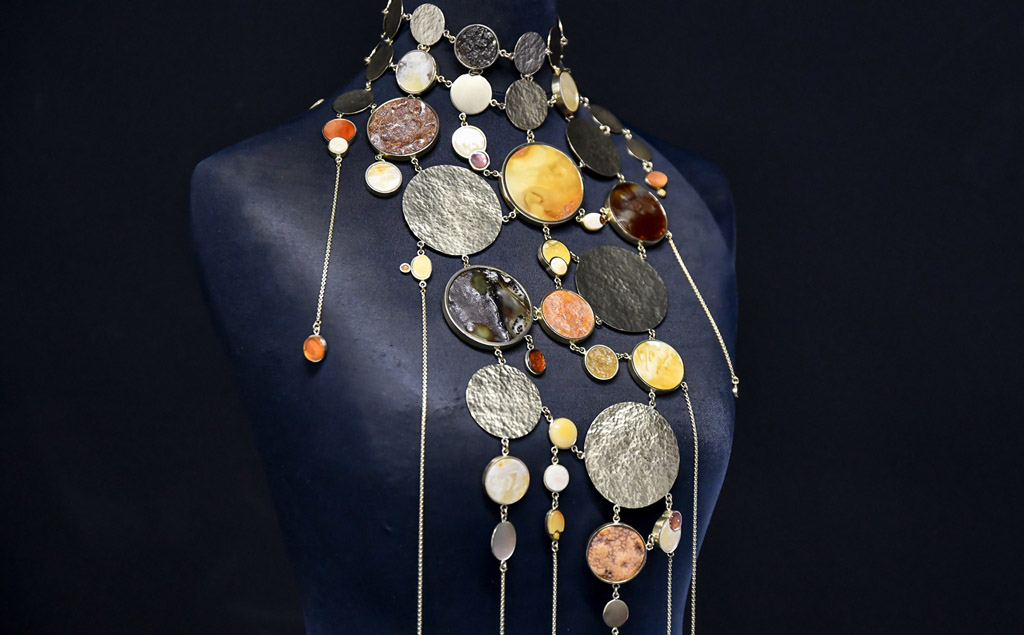
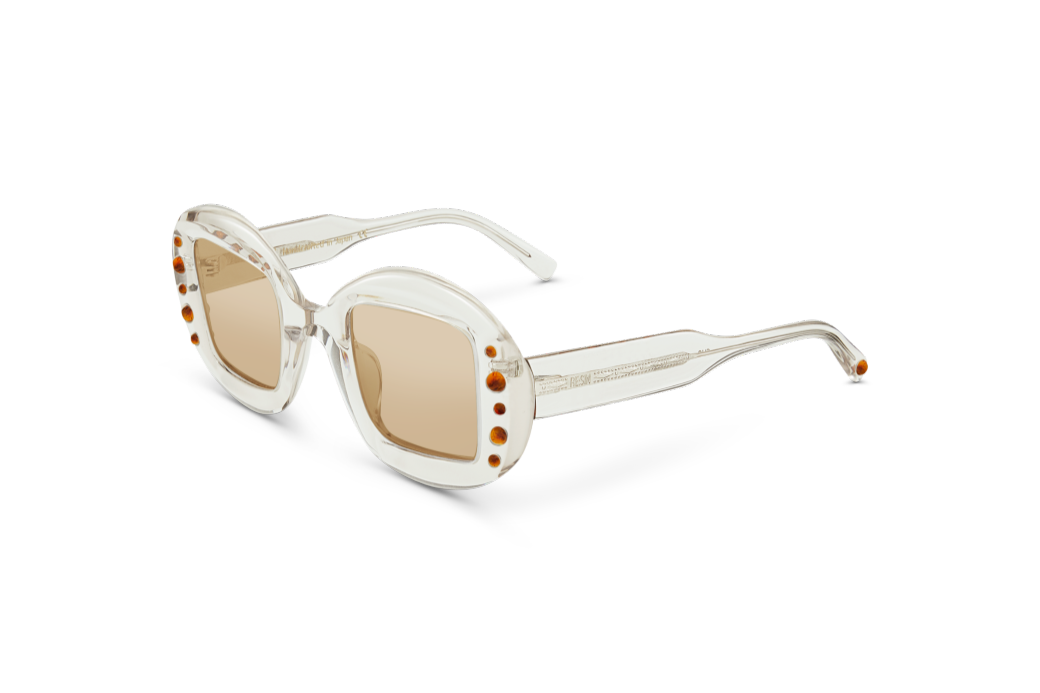
Contemporary amber work looks as impressive as the historical masterpieces. Works by renowned artists prove that amber still inspires and delights with modern form. Visitors can see unique jewelry, sculptures and functional objects that combine traditional craft with modern design. It is real proof that the Gdańsk school of amber work is doing excellently and still sets trends – in Poland and worldwide.
courtesy of the Museum of Gdańsk
Interactivity and Modern Form
The museum relies on modern technology – multimedia, interactive panels and educational films mean that even the youngest visitors will not be bored here. You can learn how amber is formed, how it is processed, and how Baltic amber differs from other fossil resins. It is an ideal place for families with children and for enthusiasts of nature, history and design. The permanent exhibition is complemented by temporary exhibitions, workshops, and meetings and lectures held as part of the Amber Academy.
Unique exhibits you have to see:
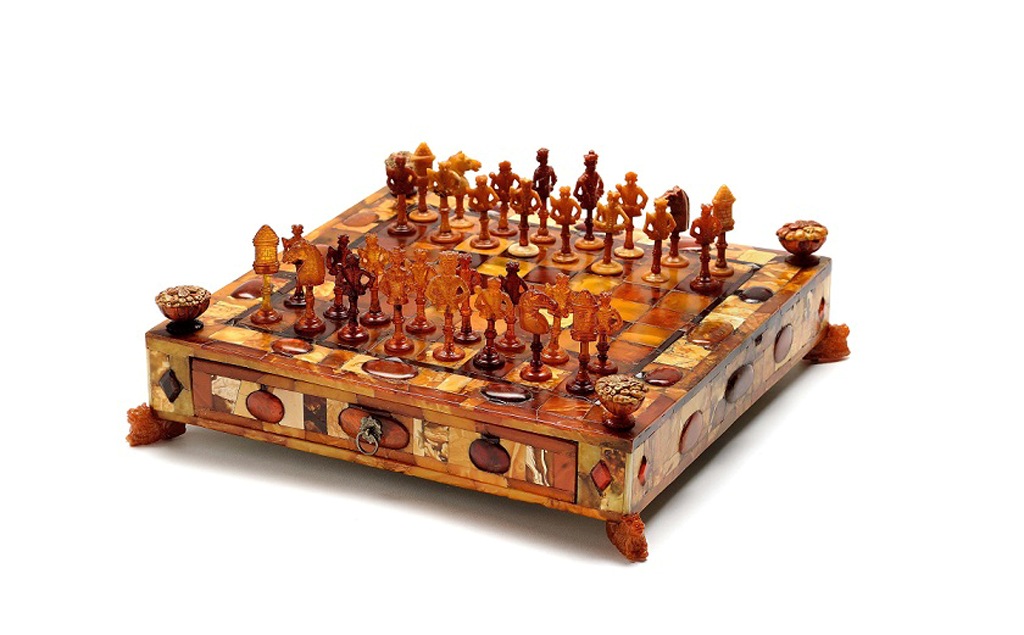
- spectacular amber chess set by Michael Redlin, dated to around 1690, (photo 4)
- amber cabinet signed “Danzig/28. Julius/Ao 1724/ Johan George-/ Zernebach” photo 5
- the world's largest piece of amber weighing 68.2 kg, photo 6
- unique inclusions from 40 million years ago, including the second gecko in the world, a four-centimeter tarantula and a mantisfly, photo 7
- a collection of contemporary art jewelry – presenting the most interesting names in contemporary amber work in Poland and worldwide. Photo 8
Culture, History and Beauty in One Place
Visiting the Amber Museum is like a journey through time – from primeval forests, through medieval trade on the amber route, to contemporary design and fashion. It is also an opportunity to get to know Gdańsk better – a city that has tied its history, identity and pride to amber. A visit to the museum is an absolute must-see during a stay in Gdańsk.

Amber and the Moirai in Zakopane
Modern Eyeglass Frames