Amber Craftsman. Master Then and Now
A new temporary exhibition at the Malbork Castle Museum is about the ability to see beauty in the nature of amber and to give it a new form.
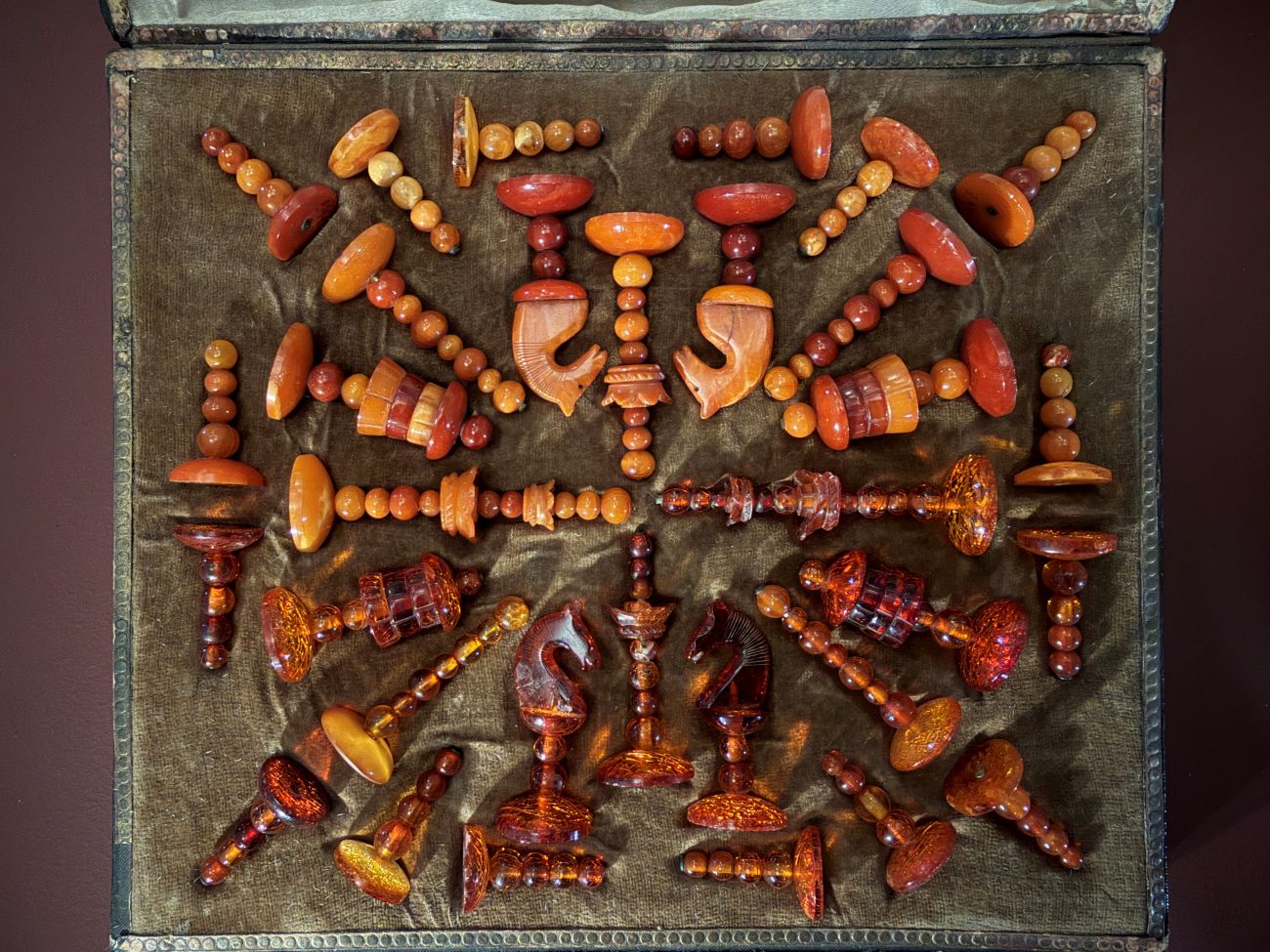
The exhibition presents a selection of about 100 objects from the Malbork museum’s collection of nearly 2,000 works and heralds a new presentation of the permanent exhibition, which will show the phenomenon of Baltic amber in the history of European art even more fully.
A reflection on the essence of mastery
The organizers of the exhibition invite visitors to reflect on the essence of mastery in working with Baltic amber, on excellence of craft and the ability to interpret the material creatively. Baltic amber becomes a meeting point of nature and art, a pretext to show continuity and change in artistic craft. The exhibition focuses on the process of creation, on the relationship between the creator and matter. Amber, as a heterogeneous, fragile and unique material, demands special sensitivity and an approach from the creator.
Between the 17th and 20th Centuries
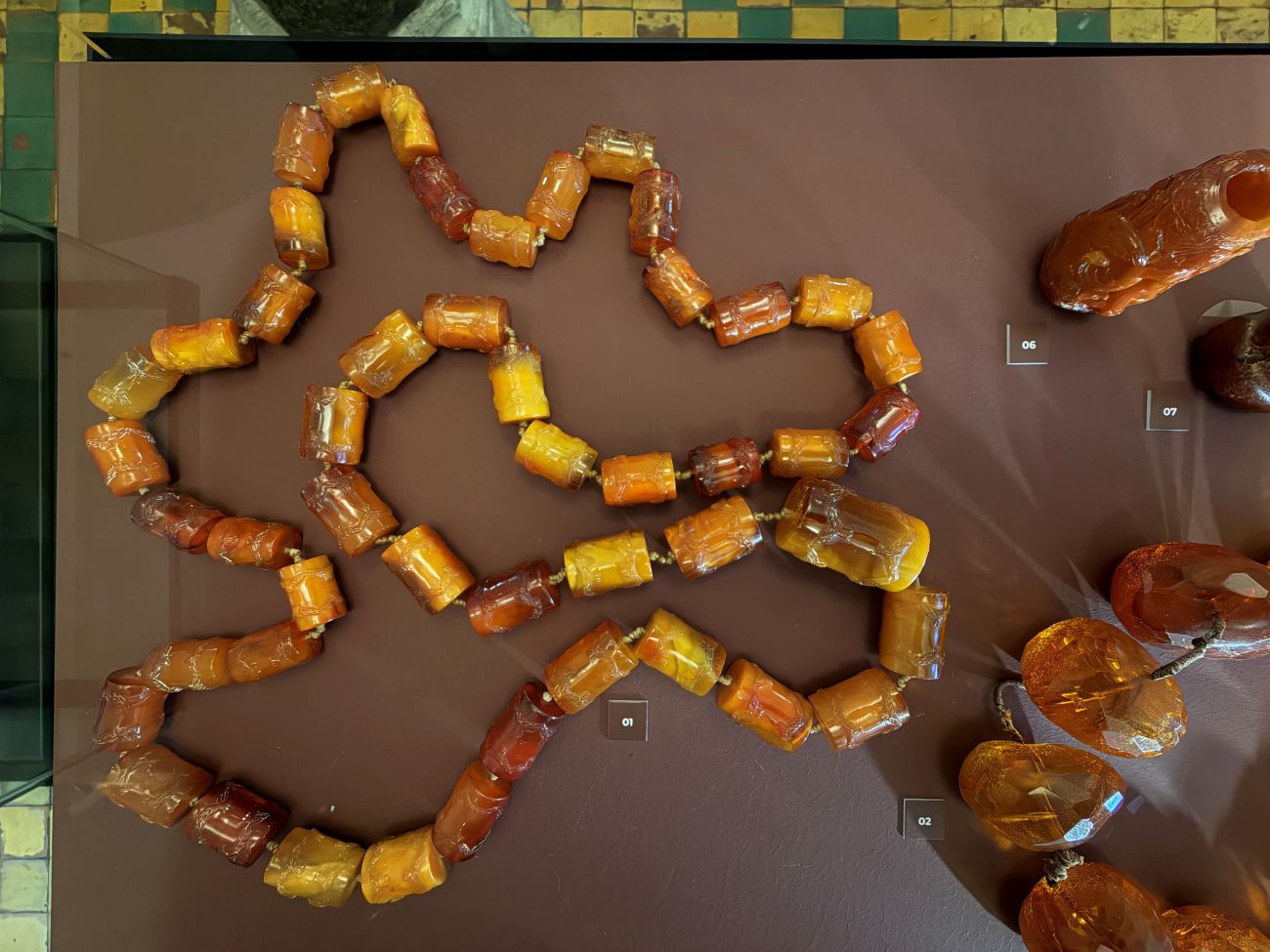
The exhibition juxtaposes two key moments in the history of amber work: its Golden Age, in the 17th and early 18th centuries, and the contemporary revival of this field of art in the second half of the 20th century and the 21st century. The organizers show how the understanding of mastery, of the function of the object, and of Baltic amber itself as a material has changed.
Maucher, Redlin and Mirowski
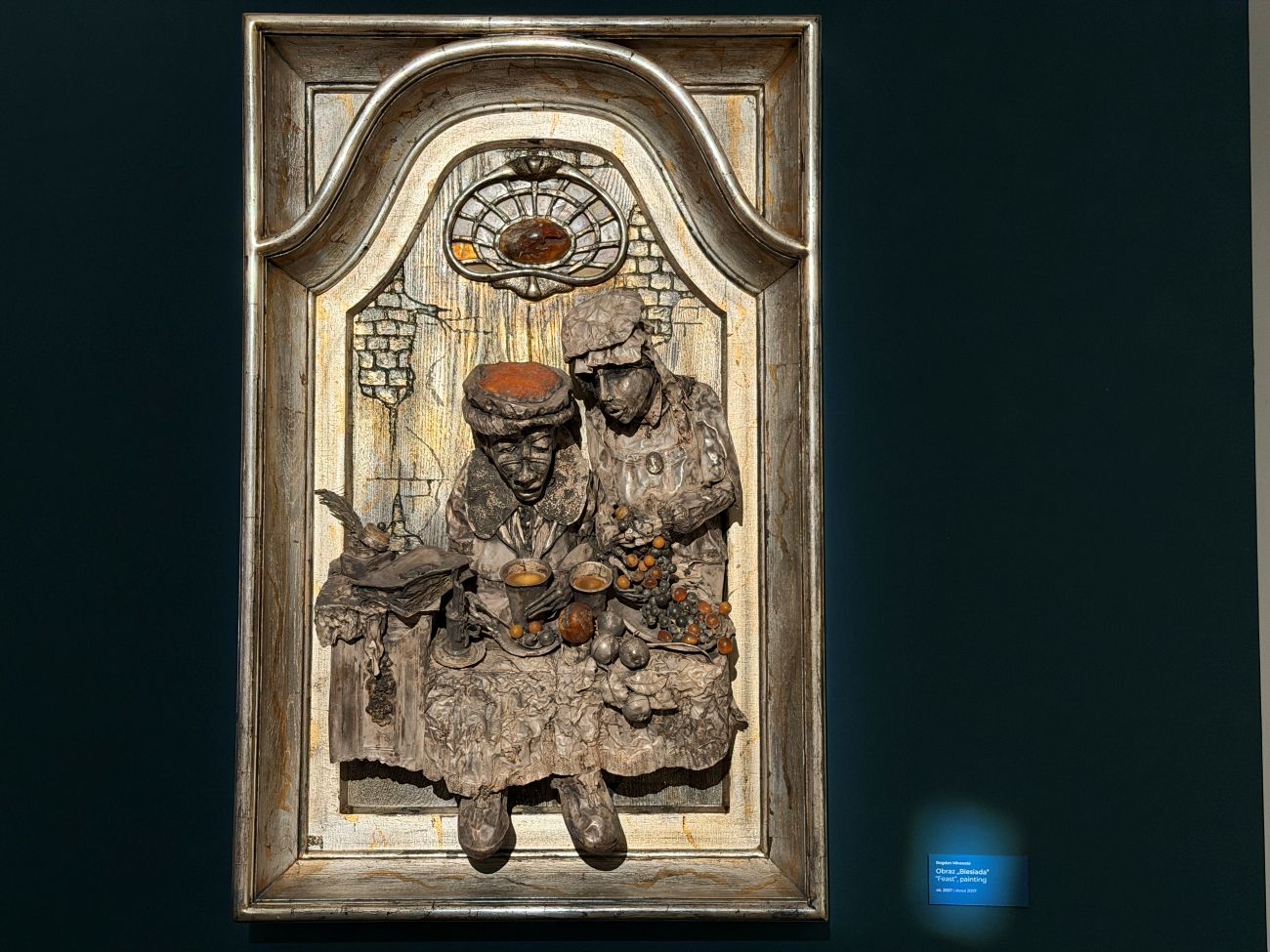
The works of old masters, such as Christoph Maucher, Michel Redlin or the Gdańsk workshops, represent a world in which technical perfection, richness of form and symbolism played a key role. After three years, the painting “The Feast” by Bogdan Mirowski returns to the exhibition. Works by contemporary artists will also appear: Aleksander Gliwiński, Maria Fijałkowska, Piotr Wajcht, Jolanta and Andrzej Kupniewski, and Barbara Gronuś-Dutko.
Amber - a timeless medium
An important element of the exhibition’s concept is showing amber as a timeless medium. The exhibition builds a bridge between the past and the present; tradition is a living source of inspiration. Motifs known from history, whether religious, mythological or symbolic, return in new interpretations, often reworked by contemporary artists in a personal and current way.
The exhibition can be viewed in the Grand Masters’ Palace, Middle Castle of the Malbork Castle Museum.
Photo: Marta Łobocka/Malbork Castle Museum

Three stories, three exhibitions, one day

Inside Seaside festival with an amber gadget
